Another day, another limited drop from your favourite artist.
A new vinyl colour. An exclusive CD. A signed insert. A hoodie available for forty-eight hours only. An acoustic version. A live version. A deluxe version. A super-deluxe version.
Somewhere between cassette singles and TikTok, being a music fan became a shopping experience.
Perhaps this is why I find myself increasingly disconnected from modern pop fandom. Not because I dislike the music, but because I no longer recognise the way we consume it. And I think a part of me recognises that is it no longer aimed at me. To the pop industry, I am old.
Spice up your life, not your landfills
When I was growing up, buying a single felt simple. If an artist released a new song, you bought the CD single or in my case the tape. On that one disc/cassette, you would often find the radio version, an acoustic version, a remix, and perhaps a B-side that never appeared on an album. You bought one thing and received everything.
Now it feels as though every version is a separate purchase. Want the acoustic version? Buy that. Want the live version? Buy that too. Want the exclusive track? That is on a different edition. Want the signed version? Better be quick before it sells out. What was once a bonus has become an additional product.
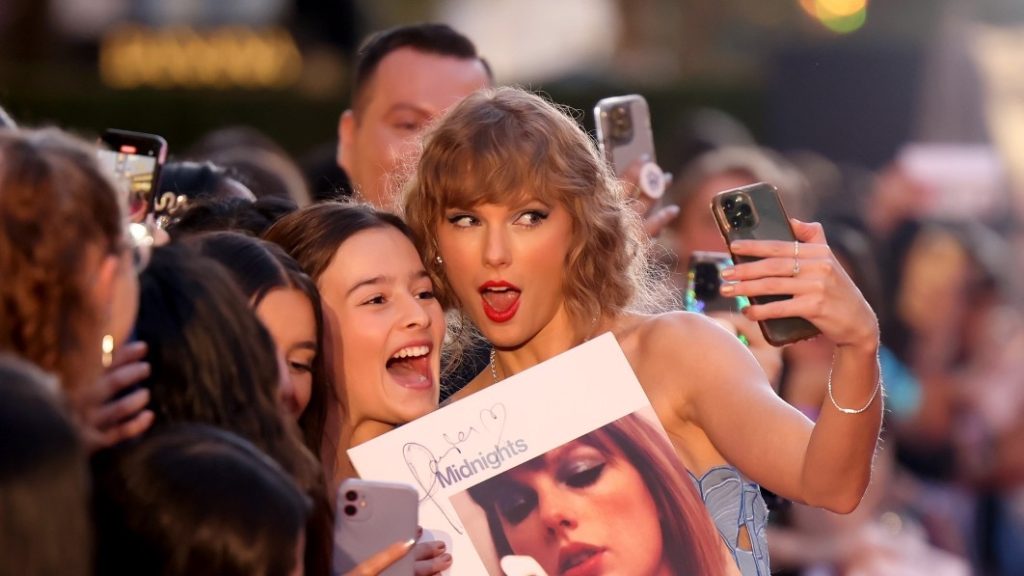
One of the first moments I noticed the conversation begin to shift in the public domain was during Taylor Swift’s The Tortured Poets Department release. Fans rushed to buy the album, only for an expanded version to arrive shortly afterwards with a significantly larger track list. For the first time, I started seeing large numbers of fans expressing frustration rather than excitement. The complaint was not about the music itself, but about the feeling that the goalposts had moved.
People who had already purchased the album were suddenly faced with another version containing material they did not have. If they wanted the complete collection, they had to buy it again. Whether intentional or not, it sparked a wider discussion about multiple editions, exclusive content, and how much modern fandom now revolves around purchasing. Looking back, that was one of the first times I noticed even dedicated Swift fans beginning to question the sheer volume of products and variants being released.
And it has now only become worse. Life of a Showgirl came with multiple variants of vinyls, each containing a special set of prints. So you wanted them all, guess you have to buy multiple vinyls. Also — whilst having a collection isn’t a problem — I would actually be interested to know the statistics of people who own a record player. I was reminded of this when I came across a video of a young Olivia Rodrigo fan proudly showing off a newly purchased vinyl record. When her mother asked how she planned to play it, the girl looked completely puzzled, she had now idea what it was. She just knew that she had to buy it to support her favourite singer.
This week Taylor Swift announced she has dropped a new song exclusively for Toy Story 5. And guess what came with it. Multiple CDs to buy, each with a different variation of the song on and a different insert. Collect them all!
Taylor is out here making fandom a Pokemon hunt and Swifties adore it. But do they need it? And is it even worth the price tag?
Cost vs worth
The conversation does not stop at how much merchandise is being produced. Increasingly, fans are also questioning whether the products are worth the price being charged. Across social media, collectors regularly compare older merchandise with newer releases, often arguing that the quality no longer matches the cost.
Unboxing videos show disappointed fans opening packages to find bent items, damaged packaging, crushed collectibles or clothing that looks different from the promotional images. While experiences vary and many fans are happy with their purchases, the discussion itself is telling.
A mass-produced cardigan can command a premium price not necessarily because of the materials used or the craftsmanship involved, but because it is associated with a particular artist. In other words, fans are often paying not just for the product itself, but for the name attached to it. Maybe the price tag is worth it to a die-hard fan, but what does it say about the artist’s intentions.
Taylor Swift is far from the only artist engaging in these practices, but when a fandom is as large, passionate and visible online as the Swifties, she inevitably becomes one of the first examples many people think of when discussing modern consumer culture in music.
The next generation of shoppers
What hits me is that this culture does not seem to be slowing down. If anything, it is being passed directly to the next generation of fans.
Many Swifties grew up alongside Taylor Swift herself. They are now adults with their own incomes, jobs, and spending power. Yet the same marketing techniques are now being aimed at much younger audiences. Take rising stars such as Freya Skye. Fresh from Disney and embarking on her first tour, she already has a steady stream of merchandise being promoted across social media. Over the course of a single week, I watched item after item being revealed to fans.
As annoying as the constant stream of mass-produced products are, the comments underneath were more concerning. Young fans talked about feeling bad if they don’t get it at launch, desperately hoping their parents would buy it all for them, or panicking that they might miss out entirely on branded socks. It felt less like excitement over music and more like anxiety over ownership.
Watching that unfold made me wonder whether we are teaching a new generation that being a fan means buying more and more things, rather than simply enjoying the artist’s work.
Merchandise isn’t new
Of course, artists have always sold merchandise. I was a child during the era of Spice Girls lunchboxes, Pokémon stationery and endless Harry Potter products. Merchandising is not new. What feels different is the scale.
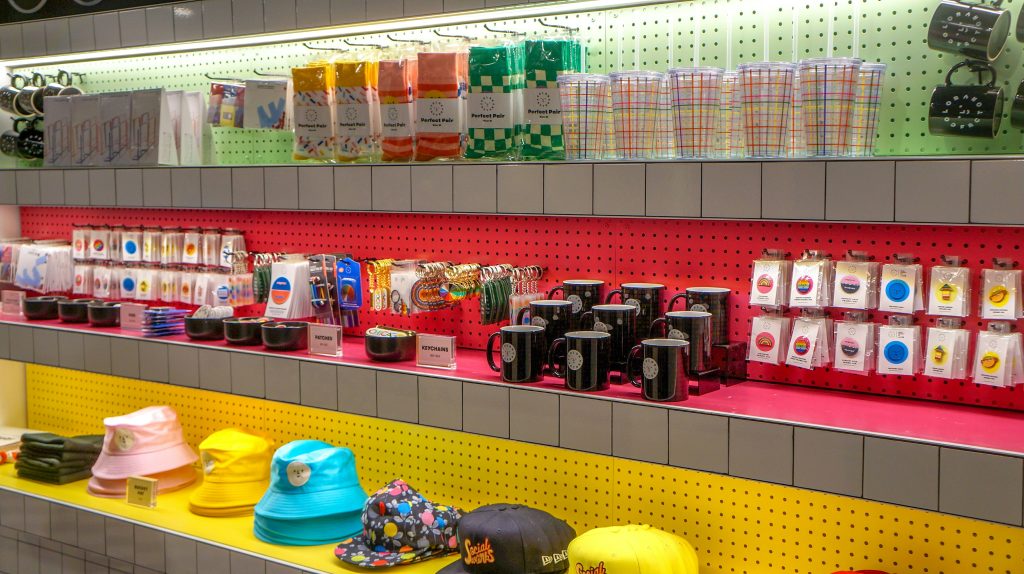
Today, social media allows artists and brands to place an entire shop in your pocket. Fans are not simply informed about a new release. They are immersed in it. Countdowns appear on Instagram stories and websites. Unboxing videos flood TikTok, so you can get that FOMO feeling. Limited-edition announcements arrive daily. Exclusive products disappear in hours.
The purchase itself becomes part of the entertainment. You buy it. You film yourself buying it. You film yourself opening it. You display it online. Then you wait for the next drop to do it all again.
Sometimes I wonder whether we have quietly replaced collecting memories with collecting products.
This became particularly noticeable to me when I started seeing huge amounts of merchandise appearing on second-hand marketplaces. Search for concert shirts online and you will find pages upon pages of them. eBay is full of Era Tour shirts and jumpers. Visit a charity shop and there is a good chance you will stumble across merchandise from an artist who was dominating social media only a year or two earlier.
There is a trend online where people joke about “losing a girl from the pop era” after spotting piles of artist merchandise in thrift stores. These products are being bought in enormous quantities, only to be sold, donated or discarded a short time later when tastes change or people grow as humans do.
Not everything ends up finding a second home. Some of it inevitably ends up as waste. That is the part of the conversation I find hardest to ignore. That to now support your favourite musician, we are being encouraged to purchase multiple versions of the same album on different coloured vinyl, bracelets, mass produced cardigans, and endless waves of other limited-edition merchandise.
The environmental cost of that culture rarely receives the same attention as the sales figures.
Are you buying memories? Or belonging?
What makes this particularly strange is that the most meaningful experiences rarely require any merchandise at all. Last year, I attended one of the best live performances I have ever seen.
The atmosphere was electric. The audience was buzzing before the show had even started. There was singing, dancing, confetti and a genuine sense that everyone present knew they were experiencing something special. The merchandise, however, was disappointing.
Apart from a programme, I bought nothing. No T-shirt. No hoodie. No tote bag. Nothing. And yet I remember that night far more vividly than I remember many things I have bought.
I remember how it felt to be there.
The experience stayed with me. The merchandise was irrelevant. That has made me question what we are really purchasing when we buy into modern fandom culture. Are we buying a memory? Or are we buying the feeling of belonging?
There is nothing wrong with owning a concert shirt or treating yourself to a piece of merchandise that genuinely makes you happy. I still have items that remind me of places I have visited and experiences I have loved. But a concert hoodie or merch item used to be a souvenir of attending that concert. The problem begins when the merchandise becomes the main event.
When every release is accompanied by another limited drop. When every fan experience comes with another opportunity to spend. When enjoying the music starts to feel secondary to buying the products. Perhaps that is why so many of us feel nostalgic for older forms of fandom. When you would go into a shop and realise your favourite girl band has collaborated with Impulse body spray without countdown timers, crashing websites and feeling like you weren’t a big enough fan if you didn’t get one.
Not because they were perfect.
But because the memories came first. They didn’t always make the business side of being a fan so blatant.
The merchandise was simply something we brought home afterwards.