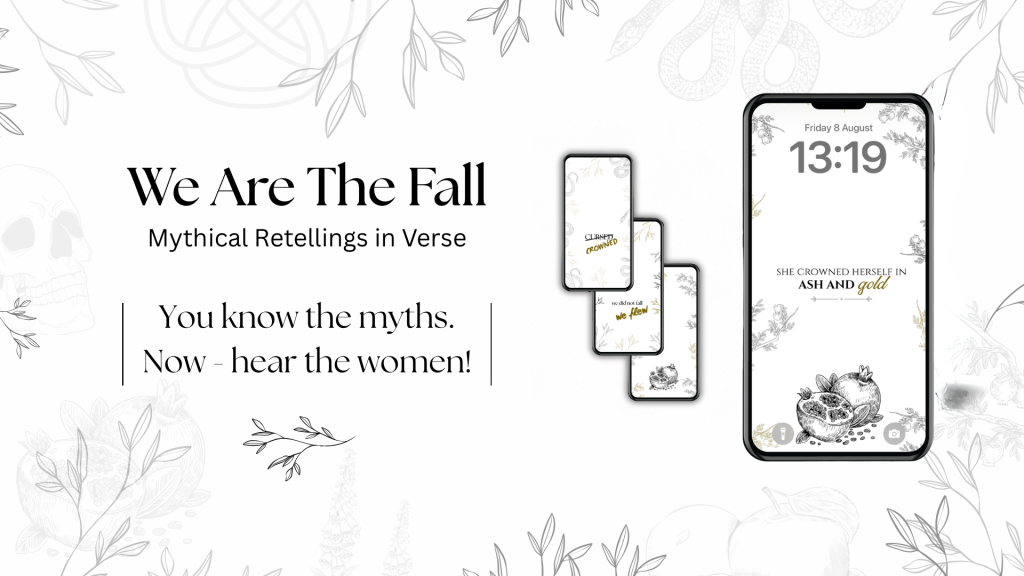
We Are the Fall: Free Themed Digital Wallpapers
Carry the mythos with you, with four themed digital wallpapers. Download your exclusive free phone wallpapers now!
Carry the mythos with you, with four themed digital wallpapers. Download your exclusive free phone wallpapers now!
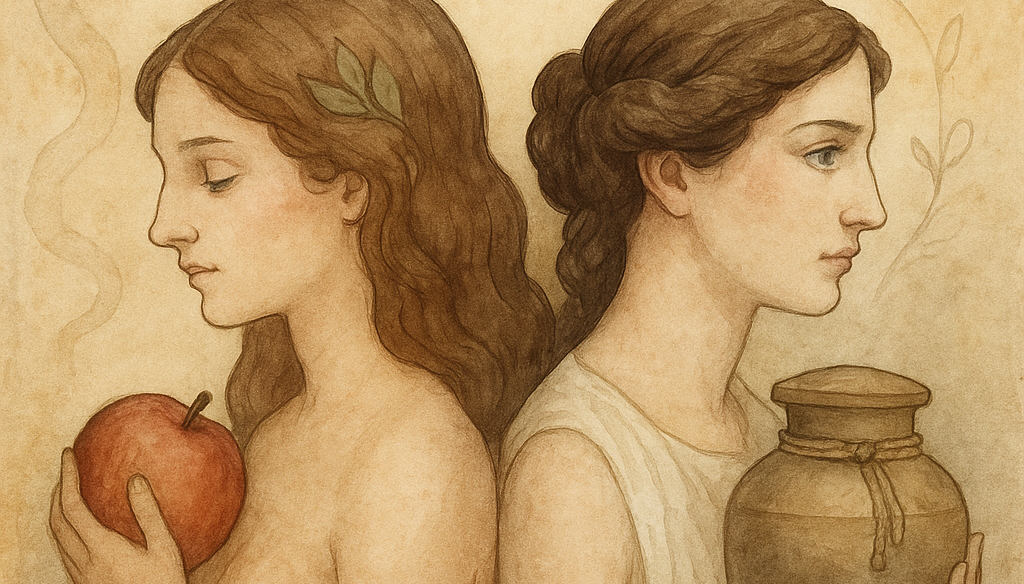
From fruit to jar, Eve and Pandora carry parallel stories — two “first women,” each tempted, each blamed, each remembered for unleashing sorrow. Yet their myths reveal less about women’s nature and more about the fears of the cultures that told them.

Over the past months, I’ve had so many conversations about We Are the Fall—questions asked in messages, mused over tea, and spoken in passing that stayed with me. I gathered them here, shaping them into a kind of dialogue: the curiosities readers have shared, and the thoughts I’ve carried with me since writing. What follows is part memory, part reflection, part answer.

The newly released book, We Are the Fall, retells the stories of women from Greek, Celtic, Written, and Norse mythology, giving them a powerful voice. Through free verse and lyrical retellings, it transforms figures like Medusa and Guinevere into vengeful heroines, encouraging a reclaiming of their narratives. An Illustrated Edition is also available.

The poem explores the narratives surrounding women like Eve, Pandora, and Guinevere, who are accused of causing destruction. It challenges these perspectives by asserting that women are not to blame for the chaos but instead, are catalysts for growth and liberation. The message emphasizes choice over sin and resilience in adversity.
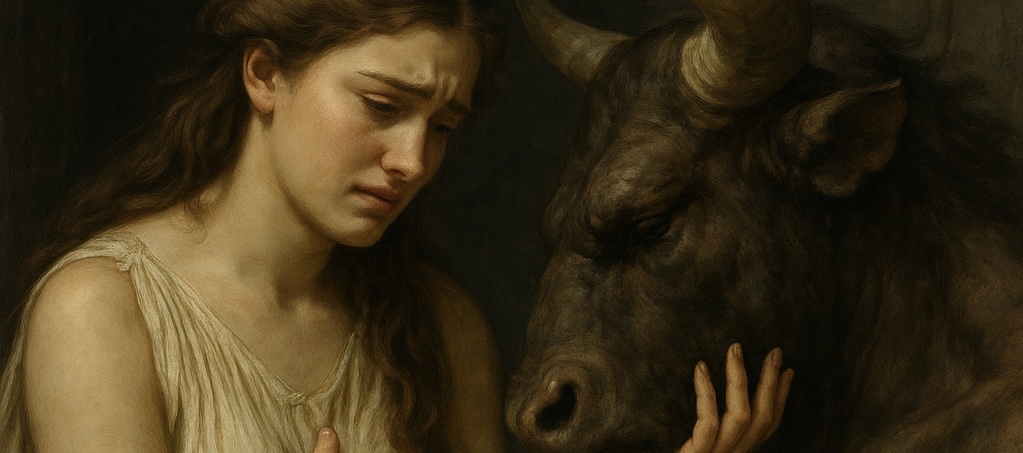
Ariadne, from the Threads of the Forsaken series, reinterprets her mythological story. Instead of a romantic gesture, her offering of the thread to Theseus stems from compassion for her brother, the Minotaur. This narrative emphasizes her agency, portraying her actions as a means to end suffering rather than mere heroic assistance.
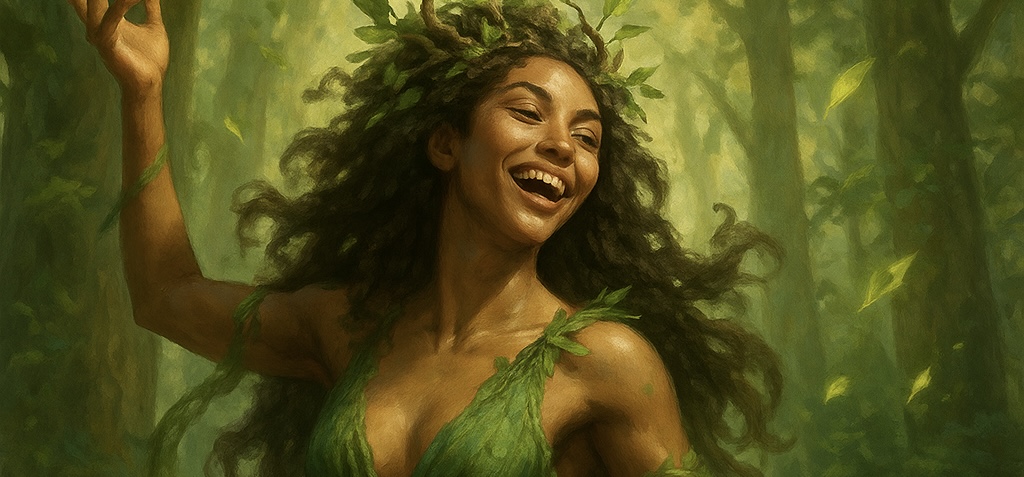
Eurydice Before explores the life of Eurydice prior to her tragic fate, emphasizing her vibrant existence in nature and spirit. Contrary to her portrayal as a mere symbol of loss in classical mythology, this retelling celebrates her autonomy, wildness, and resilience, highlighting her journey beyond sorrow and myth into a fuller identity.

In this retelling of Pandora’s myth, she emerges as a powerful figure rather than a victim. Crafted from beauty and curses, Pandora chooses to unleash the world’s plagues while preserving Hope. Instead of being a symbol of suffering, she becomes a force of reckoning, embedding Hope in the hearts of resilient women.
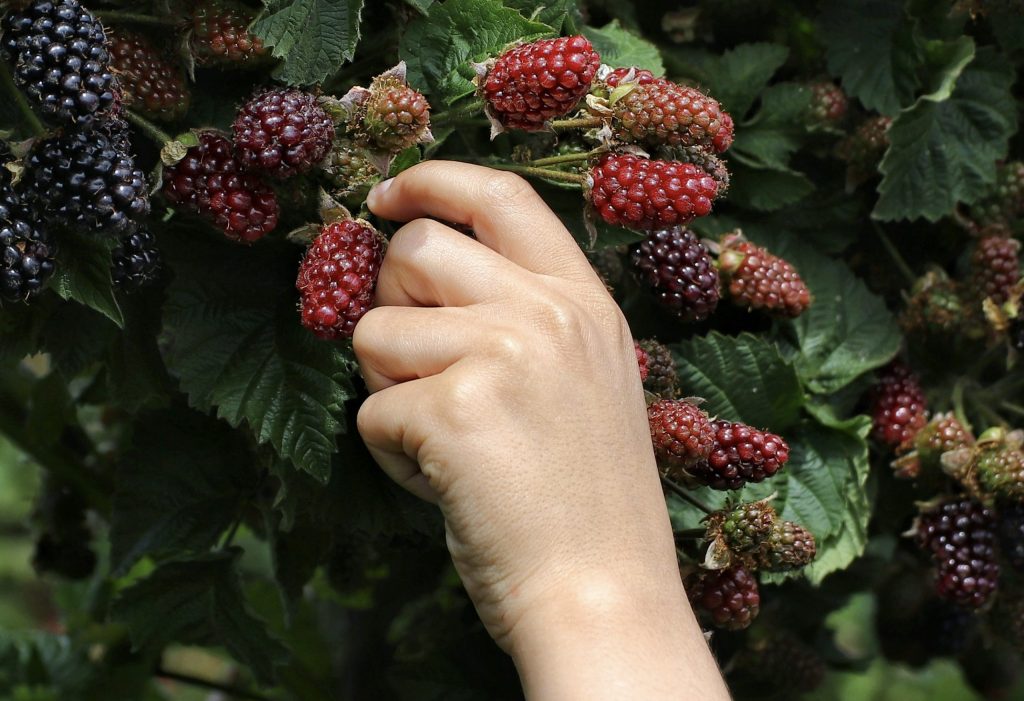
The poem reflects on nostalgic childhood memories of wildness and freedom, invoking images of carefree days spent running, playing, and embracing nature. It contrasts this untamed spirit with the constraints of adulthood, reminding us that while we may grow older and tamed, the essence of our wild selves remains cherished by those who remember.
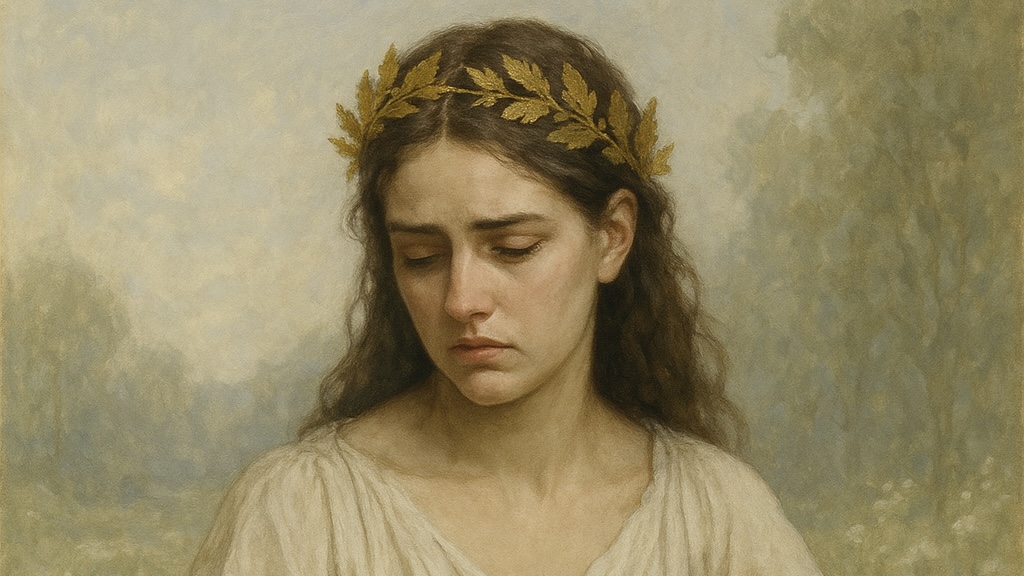
In “Before the Descent,” Persephone is reimagined as a confident young woman who willingly chooses to leave her unfulfilling life for a more profound existence. Instead of portraying her as a victim, the narrative presents her as reclaiming her power and embracing her fate alongside Hades, who is seen as a liberator.