Every few months the same complaint makes the rounds online.
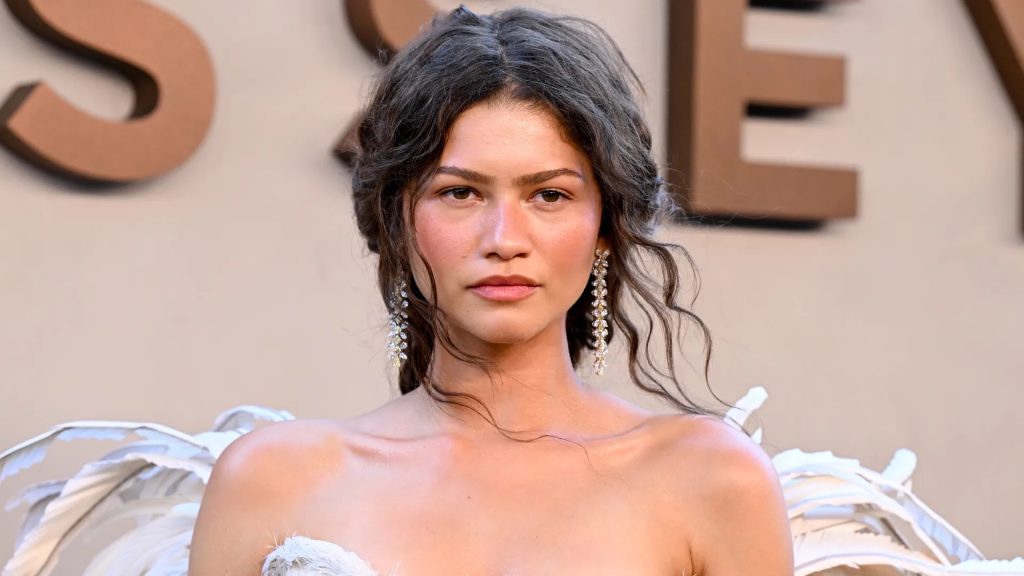
“Why is Zendaya in everything?”
“Another Margot Robbie film?”
“Tom Holland again?”
The implication is usually that Hollywood has somehow become less willing to take risks, recycling the same handful of actors while everyone else struggles for opportunities. But here’s the thing.
This isn’t new.
If you grew up in the 1990s, you’ll probably remember exactly the same phenomenon O older generations will remember theirs was the same. In the 90s, Tom Hanks seemed to be everywhere. So did Meg Ryan. Nicole Kidman appeared in film after film. Sandra Bullock became one of the biggest stars on the planet. Brad Pitt, Leonardo DiCaprio, Julia Roberts, Tom Cruise, Harrison Ford, Robin Williams… once an actor became a box office draw, studios kept casting them.
Because why wouldn’t they?
Films cost millions to make. If an actor has already proven they can attract audiences, they’re a safer investment than an unknown name. That’s been true for decades. Every member of Hollywood royalty? They were all part of the 90s mill.
Hollywood has never simply cast the “best” actor available. It has almost always balanced talent with marketability. A familiar face helps sell tickets, attracts investors, secures international distribution and gives marketing departments something to put on the poster.
That’s business.
So why does it feel different today?
I think there are two reasons.
The first is social media.
In the 1990s, if people were complaining that the same actors kept appearing in every major release, those conversations happened at work, in the pub or around the dinner table. They weren’t being amplified to millions of people through TikTok, X, Reddit or Instagram. There wasn’t a constant online chorus pointing it out every time a casting announcement appeared.
Maybe people were just as fed up with seeing the same faces.
We’ll never really know.
The same goes for the conversation around “nepo babies”. Family connections in Hollywood are hardly a modern invention. Acting dynasties have existed for generations, with children following parents, siblings and relatives into the industry long before social media existed. What’s changed is that it’s now much easier to spot.
Between Wikipedia, interviews, TikTok and countless online discussions, audiences can map out family trees in seconds. Nepotism hasn’t suddenly appeared—it has simply become far more visible.
The second difference is that we now have access to far more actors than we did before.
Streaming platforms, YouTube, TikTok and independent filmmaking mean audiences are constantly discovering talented performers outside the traditional Hollywood system. We can watch independent films from around the world, follow theatre actors online, or stumble across incredible performances from people we’ve never heard of.
Because we’re exposed to so much talent, it becomes much more noticeable when the biggest studio productions still rely on the same handful of household names.
The contrast is sharper than it used to be.
That doesn’t necessarily mean Hollywood has changed. It may simply mean our perspective has.
Of course, there are valid conversations to be had about opportunities for emerging actors, diversity in casting, and whether studios rely too heavily on established stars instead of taking chances on new talent.
But the idea that using the same actors repeatedly is some brand-new Hollywood problem doesn’t really stand up to history.
Every generation has its stars.
The names change.
The business model doesn’t.