When The Swan Princess was released in 1994, it felt like a hidden gem—an animated fairy tale that blended romance, magic, and adventure. For many, it was a welcome alternative to the glossy Disney formula, with its catchy songs and love story between Princess Odette and Prince Derek.
But The Swan Princess wasn’t entirely original. It was inspired by one of the most famous ballets ever created: Swan Lake. First performed in 1877, with music by Pyotr Ilyich Tchaikovsky, Swan Lake tells the tragic story of Odette, a princess cursed to become a swan by day, and the prince who tries—and ultimately fails—to save her.
The film and the ballet share a name and a few key characters, but their stories, themes, and emotional tones are worlds apart. This post dives into the differences between The Swan Princess and Swan Lake, exploring how a dark, bittersweet tale of love and loss was transformed into a family-friendly fantasy—and what that says about the stories we tell children.
The Story: Fairytale vs. Tragedy
In Swan Lake, Odette is a tragic figure—a princess trapped by the sorcerer Rothbart’s curse, doomed to remain a swan by day and only regain her human form at night. The ballet is a meditation on love, betrayal, and fate, with a heartbreaking ending where both Odette and Prince Siegfried die, their spirits ascending together in the afterlife.
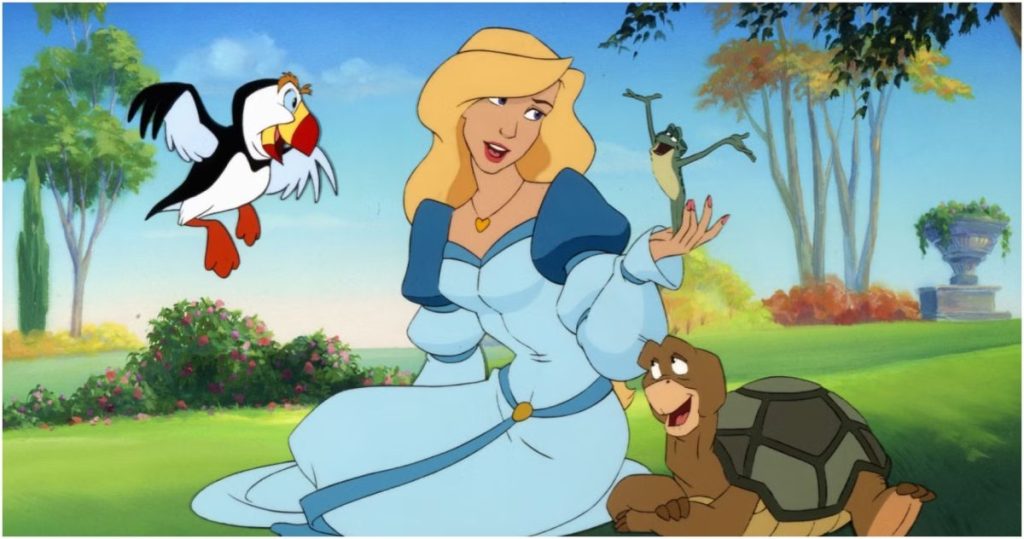
By contrast, The Swan Princess transforms Odette’s story into a classic fairytale with a happy ending. Here, Odette is a feisty, independent princess kidnapped by Rothbart, who wants to marry her and seize the throne. Prince Derek must rescue her, but the film never ventures into the haunting, almost gothic atmosphere of Swan Lake. Instead, it offers lighthearted moments, comedic animal sidekicks, and a triumphant finale where love conquers all.
The Characters: Odette’s Transformation
In Swan Lake, Odette is an ethereal, almost otherworldly figure—beautiful, fragile, and tragic. She is the victim of Rothbart’s curse, a woman whose life is dictated by forces beyond her control. Her story is one of sorrow, her love for Prince Siegfried ultimately doomed.
In The Swan Princess, Odette gets a modern makeover. She’s still a victim of Rothbart’s magic, but she has more agency—she argues with Derek, refuses to marry Rothbart, and even risks her own life to protect others. She’s spirited, opinionated, and far more like the typical 90s animated heroine.
Rothbart, too, shifts dramatically. In the ballet, he is a sinister, imposing figure—the embodiment of evil, with no clear motivation beyond power. In The Swan Princess, Rothbart becomes almost comically villainous, a bumbling sorcerer with exaggerated expressions and a flair for theatrics. His menace is softened by humor, making the film’s world feel safer and more child-friendly.
Bonus fact: how old was Odette in the swan princess? Well, this is actually one similarity between both art forms. The movie places her at 18, while most versions of the ballet also portray Odette as late teens.
The Music: Tchaikovsky vs. “Far Longer Than Forever”
One of the most striking differences between Swan Lake and The Swan Princess lies in the music.
Tchaikovsky’s Swan Lake score is haunting, sweeping, and deeply emotional. It doesn’t just accompany the story—it isthe story, conveying longing, loss, and the inexorable pull of fate. The famous “Swan Theme” (often heard when Odette appears) is one of the most recognisable melodies in classical music, evoking a sense of otherworldly beauty tinged with melancholy.
By contrast, The Swan Princess features an original score with catchy, Broadway-style songs like “Far Longer Than Forever” and “This is My Idea.” The music is playful and accessible, designed to appeal to younger audiences. While it captures the spirit of a lighthearted romance, it lacks the depth and gravitas of Tchaikovsky’s composition.
Themes: From Tragedy to Fairy Tale
At its core, Swan Lake is a story of love, sacrifice, and tragedy. It’s a tale where love is not enough to break the curse, where the hero’s mistakes have devastating consequences, and where the ending is bittersweet at best. It’s about the power of fate and the inevitability of loss—heavy themes that resonate long after the curtain falls.
The Swan Princess, however, reframes the story into a more optimistic narrative. Here, love is enough. Odette and Derek’s bond breaks the curse, the villain is defeated, and the kingdom is restored. It’s a classic “happily ever after,” with no room for the crushing weight of destiny that defines Swan Lake.
This shift reflects a broader trend in adapting stories for children: tragic endings are softened, complex themes are simplified, and darkness is replaced with hope. In doing so, The Swan Princess offers a more palatable tale, but perhaps loses some of the raw emotional power that makes Swan Lake endure.
Final Thoughts: Two Odettes, Two Worlds
The Swan Princess and Swan Lake tell the same story—at least on the surface. But their differences reveal the evolution of storytelling across time and media: how a haunting ballet became a cheerful animated film, and how we reshape old tales to suit new audiences.
Both versions have their magic: the film enchants with its humor and heart, while the ballet lingers in the soul with its sorrow and beauty. By exploring both, we see not just two Odettes—but two ways of understanding love, sacrifice, and the stories we tell ourselves.
Liked this post? You’ll love my deep-dive into the real story behind An American Tail or the 1997 classic, Anastasia.