If you grew up in the 90s, your TV shows weren’t safe. They were magical, yes — but also strange, unsettling, and just a little bit cursed.
They didn’t talk down to us. They didn’t sparkle or sing. They whispered, haunted, warned. And somehow, that made them unforgettable.
Before everything was on-demand and algorithm-fed, we waited for shows. We earned them. And when they arrived, they weren’t afraid to be weird. In fact, they seemed to know that weirdness was part of being a child — and maybe even part of becoming brave.
The Queen’s Nose
We all wanted the coin.
That magical 50p, gifted by a slightly mysterious uncle, held more than six wishes — it held possibility. The kind that only makes sense when you’re a child and the world feels slightly out of reach. Harmony Parker wasn’t a wizard or a hero. She was awkward, stubborn, and ordinary. And that’s what made her extraordinary.
But the Queen’s Nose never gave her easy wins. The wishes went wrong, or didn’t work how she expected. Instead of fairy tale endings, Harmony was handed consequences. And we learned, quietly, that magic has rules — and disappointment is part of growing up.
The show didn’t need sparkle. It had a kaleidoscope theme tune that felt like falling into a memory. It trusted us to sit with the discomfort of wanting something too much. And that’s what made it magic.
Round the Twist
If you know the words to the theme song, you’re probably not okay. And that’s fine.
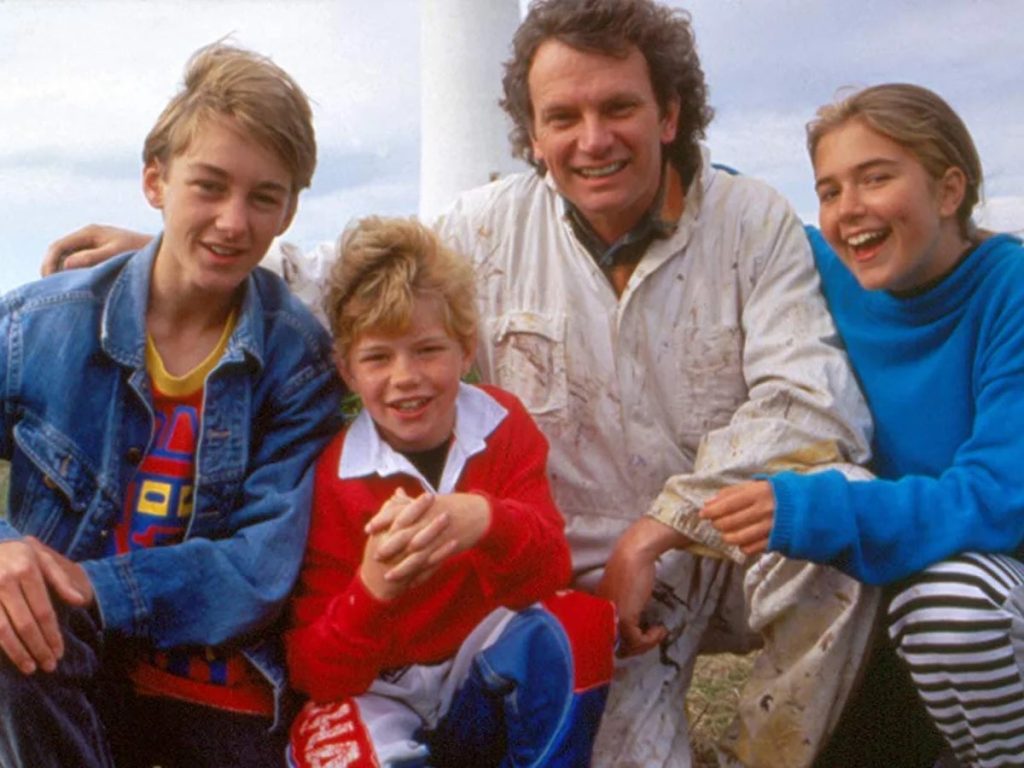
Round the Twist was chaos in its purest form. A haunted Australian lighthouse, a deeply unhinged set of children, and stories that veered from weird to outright cursed. Ghost dogs. Spaghetti that grows out of your head. Boys getting pregnant from urinals. You never knew what you were going to get — and that was the thrill.
It didn’t try to teach a lesson. It didn’t try to be moral. It was gleeful nonsense soaked in mystery and myth. And yet, it stuck with us. The music, the visuals, the pure audacity of it all. It was bizarre, brilliant, and completely unapologetic.
Goosebumps
This was probably your first taste of fear.
When the haunted typewriter clicked on. When the dummy turned his head. When the theme tune dropped — fog, dog, glowing green logo. You knew you shouldn’t watch. And you watched anyway.
Goosebumps didn’t coddle us. Each episode brought something darker, something weirder. The camera that told the future. The haunted mask that fused to your skin. The carnival you couldn’t escape. It taught us to look fear in the eye — and then turn the lights off and try to sleep.
We weren’t scared because it was graphic. We were scared because it was clever. Unpredictable. Close enough to feel real.
The Demon Headmaster
There’s a reason we still don’t trust headteachers.
The Demon Headmaster didn’t need monsters. He had his stare — glassy, cold, calculated. And that was enough. With green spirals spinning in your eyes and calm, chilling commands, he made us believe that adults really were hiding something sinister.
It was dystopia at school-desk level. Mind control. Suspicion. A slow, crawling sense that the world might not be as safe as you thought. For a generation of children raised on stories where the grown-ups were usually the helpers, this was something new. And it felt dangerously true.
Even the intro was unnerving. You didn’t just watch the show. You braced yourself for it.
What These Shows Gave Us
They weren’t always comforting. But they were honest in a way that’s rare now. These shows didn’t talk down to us. They didn’t wrap their stories in bubble wrap. They trusted us to feel scared, confused, thrilled, and moved. They gave us stories that didn’t always end cleanly, and characters who didn’t always win.
They were messy, magical, and sometimes terrifying. And they made us brave.
We didn’t stream them. We waited for them. And in that wait, the magic grew.