“There are worlds within worlds. Crysta, you must see with your heart.”
— Ferngully: The Last Rainforest (1992)
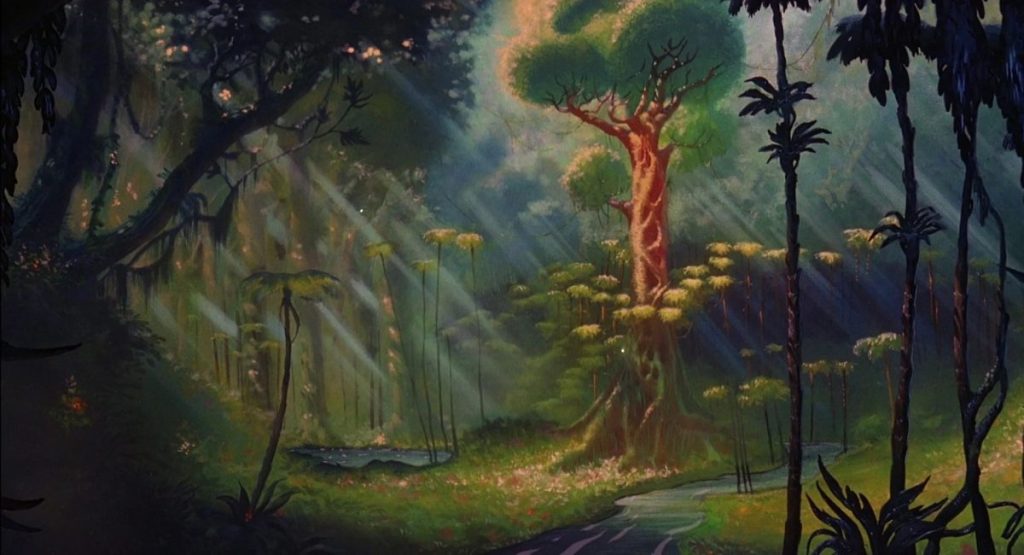
In 1992, long before climate change became a daily headline, a small animated film called Ferngully: The Last Rainforest whispered an urgent message to a generation of kids: the Earth is alive, and it needs our help. With lush hand-painted backdrops, a quirky cast led by Robin Williams’ frenetic bat, and a villain made of oil and smoke, Ferngully was more than a movie—it was an early call to action in the environmental movement.
A Rainforest in Peril: Ferngully’s Eco-Message
Ferngully tells the story of Crysta, a fairy who discovers that the magical rainforest she calls home is under threat from humans and a dark, oozing force called Hexxus. Hexxus—voiced with oily menace by Tim Curry—represents industrial pollution, deforestation, and corporate greed, devouring trees and poisoning the land.
For many 90s kids, Ferngully was the first time they saw environmental destruction framed as a villain. Logging machines, once just background noise in news reports, became monstrous “Levelers” tearing through the forest. The message was clear: nature is fragile, and human actions have consequences.
Ferngully in the 90s Eco-Boom
Ferngully arrived at a time when environmental awareness was blossoming. The early 90s saw the first Earth Summits, the rise of Greenpeace in mainstream culture, and a wave of eco-conscious media like Captain Planet and The Animals of Farthing Wood. Ferngully fit right in, offering a magical, digestible way for kids to understand complex issues like deforestation, pollution, and the importance of conservation.
The film even had real-world connections: part of the story was inspired by Australia’s Daintree Rainforest, one of the oldest and most biodiverse ecosystems on Earth, where parts of the film were set. The filmmakers hoped to raise awareness of the destruction happening in real rainforests worldwide.
Did Ferngully Make a Difference?
While Ferngully wasn’t a massive box office hit compared to Disney blockbusters, it gained a cult following and continues to resonate with audiences today. Many adults who grew up watching Ferngully credit it as the first time they thought about environmental issues. Its message lives on in modern conversations about deforestation, climate change, and the delicate balance between human progress and nature’s survival.
In fact, some argue that films like Avatar (2009) owe a debt to Ferngully—a story about humans exploiting a lush, living world, only to realize they are destroying something irreplaceable.
Ferngully’s Legacy: A Seed Planted
Ferngully may not have single-handedly saved the rainforests, but it planted a seed—a generation of kids grew up with the idea that we are caretakers of the Earth, not its owners. In an era where eco-anxiety runs high, perhaps it’s time to revisit Ferngully’s message: that even the smallest voice can protect the forest.
Want more hidden history behind beloved animated classics?
If you enjoyed exploring the deeper story behind Ferngully, you might also love my post An American Tail: A Hidden History — a look at another powerful animated film that carries much more meaning than meets the eye.