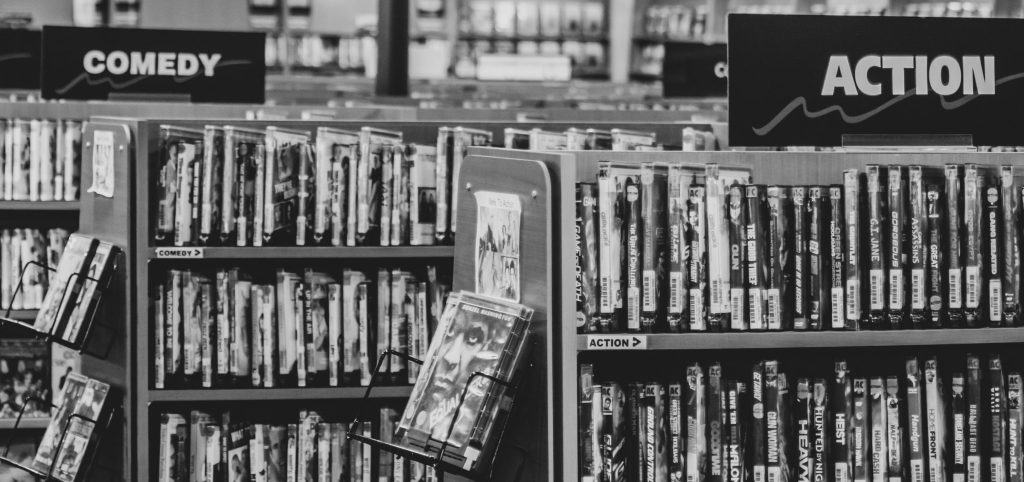
I don’t spend much time on social media anymore, but the one thing I do see trends on is YouTube shorts. And something I have seen coming back around again is people appreciating the last art of physical media. CD, Vinyl, tapes. Here’s why I think people are returning to the older ways of consuming and why we’re going back to DVD.
There’s something oddly comforting about the sound of a DVD case clicking shut.
Maybe it’s nostalgia, or maybe it’s the quiet rebellion of a generation realising that convenience came at a cost. We thought we were upgrading when we moved from shelves of discs to sleek digital libraries—but now, many of us are finding our way back.
The illusion of ownership
Streaming promised endless choice, but what it really offered was temporary access.
Films vanish overnight, shows are pulled without warning, and once-beloved titles are quietly erased from catalogues. Even purchased digital copies can disappear when licensing changes. Nothing is owned. Amazon, Disney+, Netflix — they’re just the modern Blockbusters. Except you could lend your Blockbusters tape to your friend!
A DVD, by contrast, is truly yours. You don’t need to worry about it being “unavailable in your region” or lost to an algorithm. You can lend it, rewatch it, and keep it on your shelf for decades. In an age when everything is borrowed, ownership suddenly feels radical. That thrill of owning your first DVD suddenly comes back again when you realise you’re one of the only ones who still owns it. And with second hand store selling older media at such cheap prices, it’s a bargain remedy.
The lost art of DVD extras
Remember when pressing “Menu” was an event in itself?
DVDs used to come alive with personality—animated menus, commentary tracks, hidden Easter eggs, and that unmistakable hum of the disc spinning. If you left it idle too long, you might be greeted by looping music or a quirky animation reminding you to press play.
I still quote the Dory lines that used to play on Finding Nemo when you left the menu on for too long. “Bring me my trailer, fill my trailer with water!”
Those extras weren’t just filler—they gave us connection. Directors’ commentaries revealed creative insights; behind-the-scenes footage showed the craft that made cinema magic. In the streaming age, that texture is gone. Sure you can sometimes find the extras uploaded to Youtube but once again, they aren’t yours. You click “play,” the film runs, and then it’s gone again into the algorithmic void.
The ethics of streaming fatigue
There’s also a quiet moral shift happening. People are tired of supporting platforms that remove content, rewrite history, or inflate subscription prices. The cost of watching a single film can now feel like a tax on loyalty. How many of us were outraged when Amazon began asking Prime members to watch ads on films we were already paying to access? When Disney+ puts a film behind a paywall… within a paywall.
Owning a DVD is an act of independence. Once you’ve bought it, no one can charge you again. No algorithms. No ads. No moral compromises about which conglomerate gets your data this month. It’s you, your player, and your film—exactly as it was meant to be seen.
Companies in 2025 are also viewed through political eyes. Their alliances, or lack of support for certain global issues can be a hotbed of contention amongst their subscribers. Losing faith in a company is followed with a swift cancellation of their subscription service. Losing faith means you also lose their catalogue.
When remastering ruins the magic
Technology has made films sharper, brighter, and—some would argue—emptier.
Remastered editions often lose the warmth and grain of the originals. Colours are cleaned until they look artificial. Soundtracks are adjusted. Entire scenes are quietly censored or replaced, and the version that once existed becomes impossible to find.
Disney is awful at this. Cinderella, Beauty and the Beast. These beautiful, grainy classics are now reduced to whatever version Disney deems best. Gorgeous painted backgrounds with flat, reanimated stickers slapped on top. The princesses faces are unrecognisable from the ones of our youth.
And it’s not just films. So many music collections are either missing or altered on streaming platforms. Britney singles I had on early albums are nowhere to be seen. Madonna’s ‘Immaculate Collection’ is all ‘Edited’ and ‘Remastered’ versions with weirdly long intros on Apple music. I know many music collectors who will say that nothing beats the sound of Vinyl. As a millennial, nothing beats the sound of clicking your CD into your player and knowing exactly what will play, track by track, unedited.
Owning a physical copy is a form of preservation. It keeps films anchored to their moment in time—before edits, before corporate sanitisation, before history was rewritten in 4K.
A generation rediscovering tangibility
It’s not just nostalgia—it’s longing.
After years of swiping, scrolling, and streaming, people are craving something they can hold. DVDs, CDs, vinyl, and even VHS are finding new audiences among those who never grew up with them. There’s joy in tangible media: the artwork, the texture, the ritual of choosing a film and pressing play. Sliding out the album art and unfolding it to find lyrics, extra artwork or a hidden message from your favourite music artist.
Physical collections don’t depend on servers or subscriptions. They remind us that entertainment used to live in our homes, not in the cloud. We could share it, take it with us off-grid without having to download it, be excited to buy and own it.
Reclaiming what was ours
Maybe this return to discs isn’t regression at all—it’s a quiet act of reclamation. Maybe we have reached the peak of media in society and are now climbing back down the other side.
We traded permanence for convenience, and now we’re learning the value of both. DVDs don’t just store films; they hold memories, ownership, and the assurance that no corporation can erase what you love.
Perhaps the future of watching isn’t about streaming everything.
Perhaps it’s about holding something again—and pressing play on our own terms.